Investigators do more than just look through files when they look at computers. They also reconstruct events. Each login, downloaded document web browser session deleted file or connected device contributes another element to the larger picture. As organizations generate enormous amounts of digital data each day, locating evidence that is meaningful has become increasingly challenging.
Modern computer forensics is no longer about manually searching one device at a time. Today’s investigators need technologies that aid them in identifying what matters while preserving the integrity of each piece of evidence gathered. It is vital to be able to react quickly and precisely, regardless of whether you’re supporting law enforcement, military missions and security teams at corporate or emergency response experts.
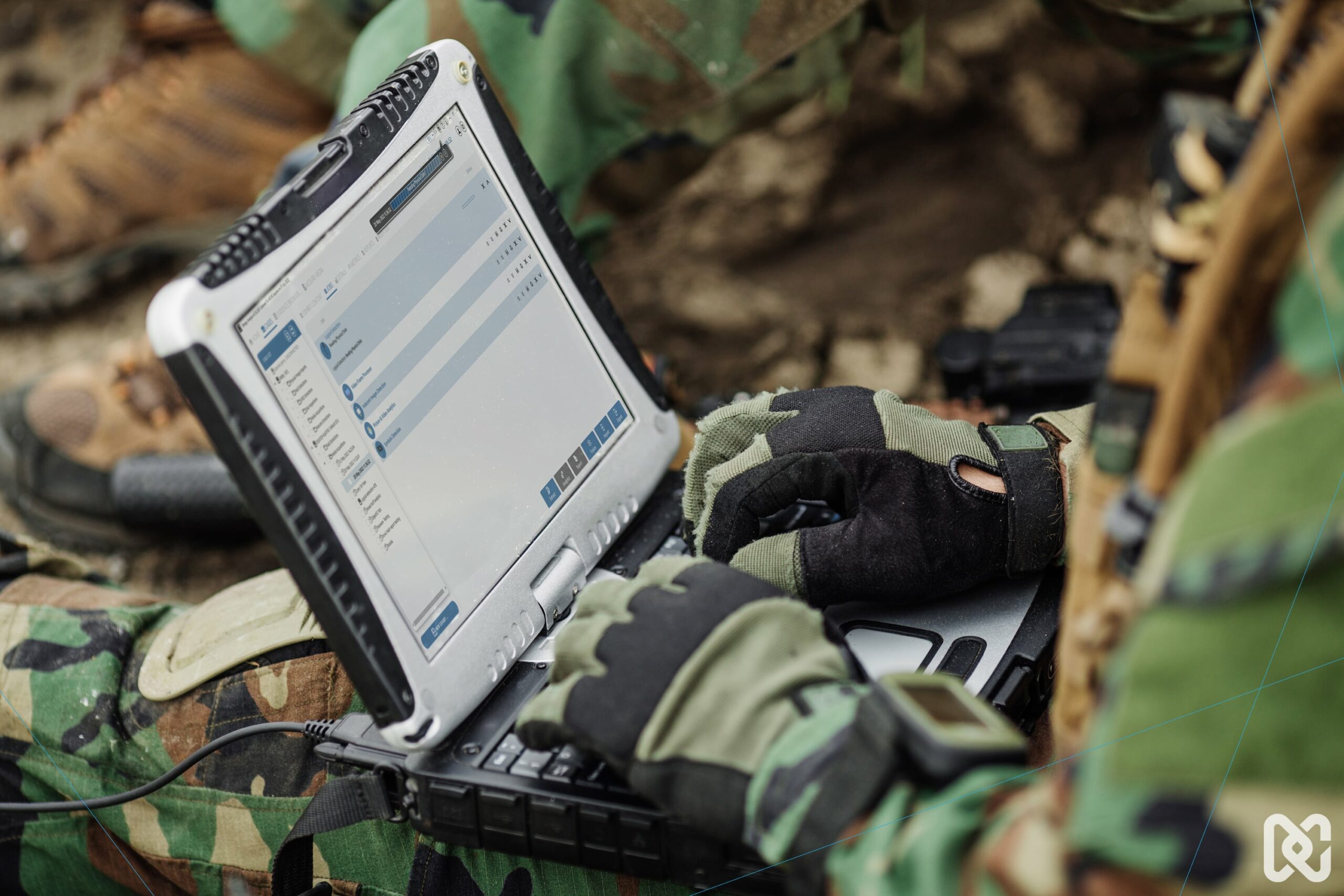
Digital evidence is growing faster than traditional methods.
A decade ago, investigators typically analyzed a handful of devices during a case. An investigation today could comprise laptops, cloud storage, servers that are removable and drives. The sheer amount of available information could overwhelm even the most experienced experts in forensics.
Modern digital forensics tackle this issue by combining smart analysis with fast evidence gathering. Advanced analytical engines can organize data automatically, detect relationships, prioritise relevant evidence and eliminate tedious tasks. The result is more time spent investigating and less time in managing data.
Every minute matters during an incident
It is essential to take action immediately if an organization is affected by ransomware, insider threats, or intellectual property theft. In the event of delays, financial losses can be increased cause disruption to operations, and allow attackers additional time to conceal their actions.
Effective incident response depends on reliable technology that allows investigators to secure evidence immediately while systems remain active. Rapid imaging, remote acquisition, automated workflows and AI-assisted analyses help responders quickly comprehend what happened, determine the nature of the incident, and help make an informed decision on recovery.
Detego Global creates forensic technologies to be used in government, corporate, and law enforcement.
Understanding the digital ecosystem in its entirety
Rarely do investigations begin and end on a single PC. Digital activity may span several systems, which are linked via complex infrastructure. The interconnectedness of systems can aid investigators in understanding how events transpired, and reveal evidence that was previously overlooked.
Modern network forensics allow investigators to connect events across various endpoints, servers, storage devices and network environments, while maintaining full chain-of-custody records. By combining quick capture, intelligent analytics, AI-powered correlation, and central case management, investigators get an understanding of isolated incidents as well as larger patterns of activity.
Technology that assists investigators and not substitutes them
The key to success in an investigation is professional judgment, expertise and an accurate analysis. Technology should enhance those capabilities rather than hinder them. Detego Global is focused on creating solutions that enable investigators to get access to reliable information more quickly while also reducing repetitive manual tasks.
Its award-winning forensic solutions support evidence collection, AI-assisted analytics, workflow automation, reporting as well as secure case management for organizations across the globe. Each tool improves efficiency for everyone, from the first-line investigators out in the field collecting evidence, to lab specialists handling large-scale digital investigation.
Cyber threats are evolving, and digital evidence is becoming more complicated. Businesses require tools that help investigators react faster and be more efficient at every phase of an investigation. Detego Global continues delivering that capability with innovative forensic technology that is designed for the needs of modern investigations.